



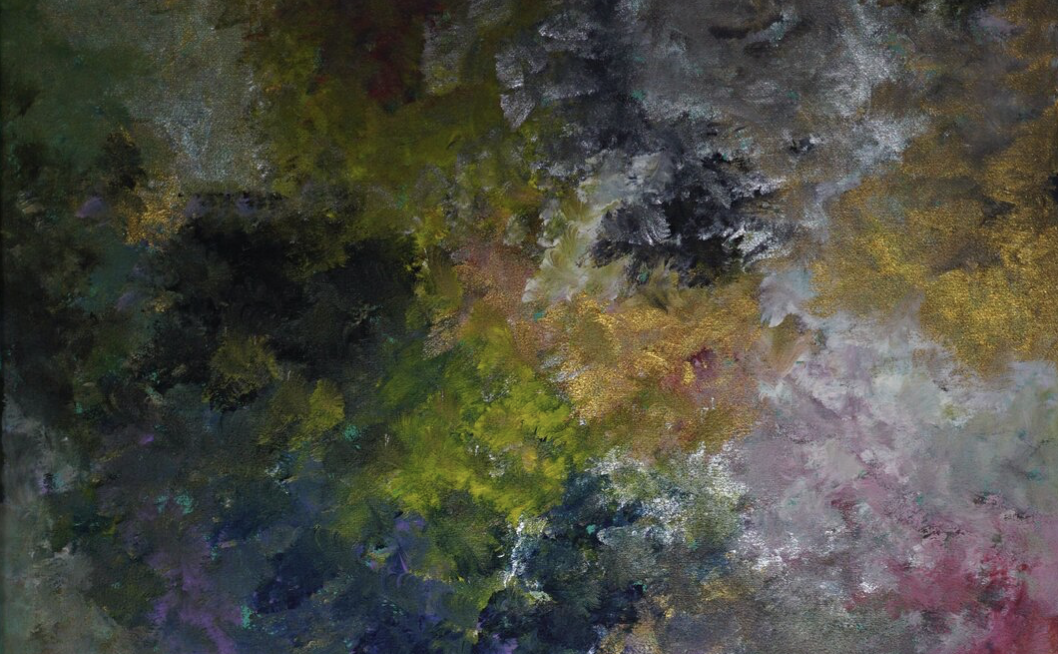
Der Poeck’s journey as an artist began long before he ever picked up a paintbrush. At the age of ten, he learned to draw from his mother, developing an early appreciation for image-making and visual expression. Color, however, entered his life much later. Looking back, he believes his father quietly influenced that direction. During the 1990s, his father spent time creating oil paintings but eventually set art aside to focus on work and family responsibilities. Those paintings left an impression. While Der Poeck was fascinated by color and artistic creation, the opportunity to pursue it did not arrive until years later.
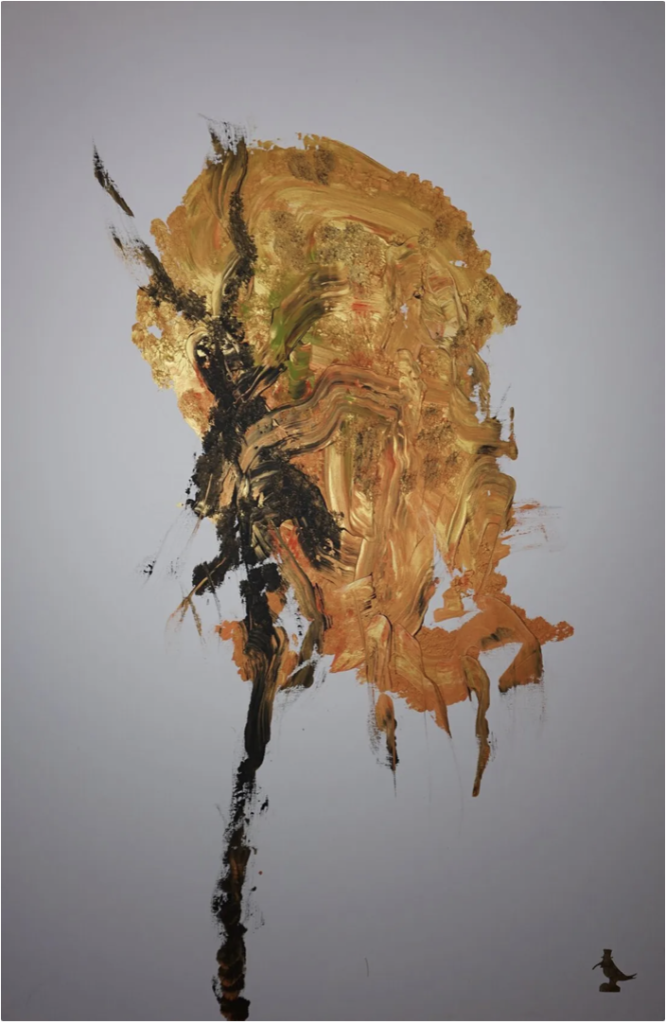
It was not until 2010 that he seriously began painting. Entirely self-taught, he developed his artistic voice through personal exploration, experimentation, and a deep engagement with the writings of Swiss psychiatrist Carl Gustav Jung. Jung’s ideas about the unconscious, symbolism, and the hidden layers of human experience became an important foundation for Der Poeck’s creative path. From those influences emerged a body of work that explores memory, illusion, identity, and the fragile nature of existence.
Der Poeck creates paintings that exist somewhere between abstraction and surrealism. While many contemporary artists focus on a specific style or subject, his work moves freely between worlds. Some paintings suggest recognizable forms and narratives, while others drift into dreamlike spaces that seem detached from ordinary reality. What unites them is the presence of a story. Every image carries meaning, even when that meaning is not immediately clear.
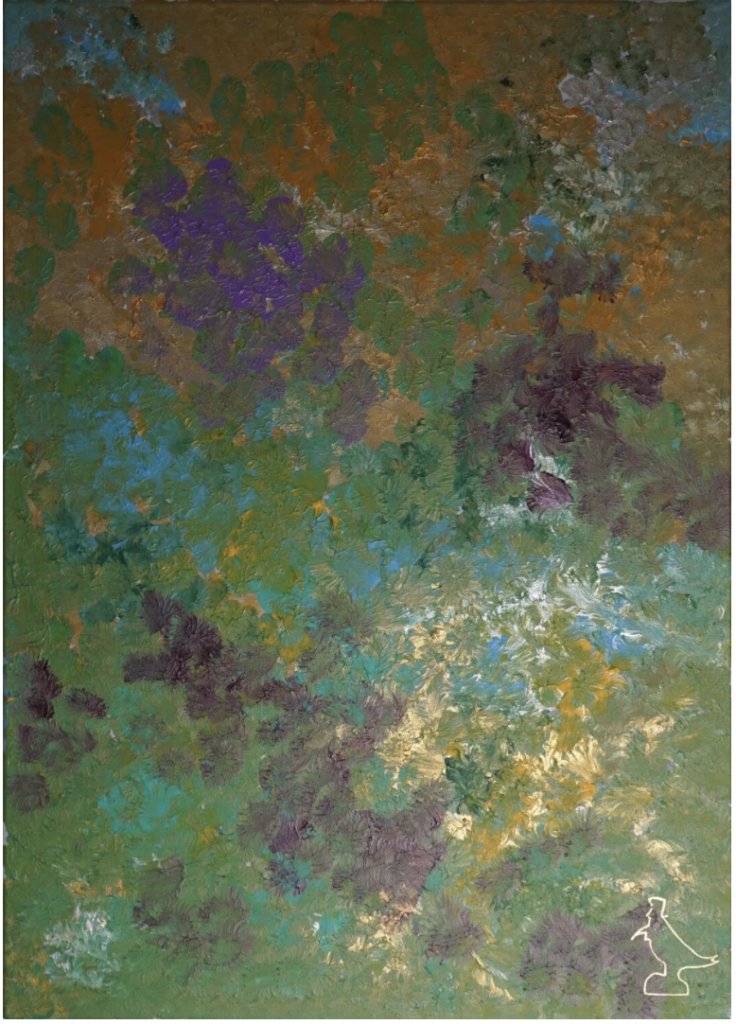
His paintings often feel like fragments from another dimension. Figures, symbols, textures, and unexpected visual relationships appear throughout his compositions, inviting viewers to look beyond the surface. Rather than offering straightforward explanations, Der Poeck leaves room for interpretation. He accepts that not everyone will understand his work in the same way, and he considers that uncertainty an important part of the viewing experience.
For him, art is not about providing answers. It is about opening doors to deeper questions. His paintings encourage reflection on the human condition, on the stories we tell ourselves, and on the illusions that shape our lives. There is often a sense that the viewer is standing at the edge of something familiar yet mysterious, encountering ideas that resist simple definition.
Memory plays a central role in his artistic practice. Human experiences fade with time, and moments that once seemed permanent gradually disappear into the distance. Through painting, Der Poeck seeks to preserve fragments of those experiences. His works become visual markers of meaningful periods, emotions, and personal histories. Some viewers may recognize elements of their own lives within these images, while others may encounter entirely different associations.
This openness is intentional. The artist does not dictate how a painting should be understood. Whether a memory evokes joy, sadness, nostalgia, or discomfort depends on the individual viewer. The artwork serves as a starting point rather than a conclusion.
Beneath the dreamlike qualities of his paintings lies a more philosophical perspective. Der Poeck frequently reflects on the temporary nature of human existence. He believes that what matters most is not status, ambition, or personal achievement, but what remains after we are gone. Human life is brief, and each person leaves traces behind in different ways. Art becomes one of those traces—a lasting record of thought, feeling, and experience.
His work also examines the masks people wear. The idea of the facade appears repeatedly throughout his artistic thinking. Society often encourages individuals to construct identities and narratives that hide deeper truths. In many ways, his paintings challenge these constructions. They reveal uncertainty, contradiction, and vulnerability beneath the surface.
At times, his work addresses broader concerns about humanity’s relationship with the world. Themes of destruction, indifference, and self-interest emerge alongside reflections on hope and responsibility. The artist observes how people frequently avoid confronting the consequences of their actions, choosing comfort over accountability. These concerns are not presented as direct political statements but as observations about human behavior and collective choices.
Yet even within darker themes, there remains a search for meaning. His paintings acknowledge the presence of self-destruction and excess, but they also leave space for reflection and possibility. There is often a suggestion that awareness itself may offer a path forward.
Through abstract forms, surreal imagery, and symbolic narratives, Der Poeck creates artworks that challenge viewers to pause and look deeper. His paintings do not seek universal agreement or easy understanding. Instead, they invite contemplation. They ask viewers to consider memory, identity, illusion, and the marks we leave behind. In a world that often moves too quickly, his work offers a moment to reflect on what endures long after the journey ends.
