



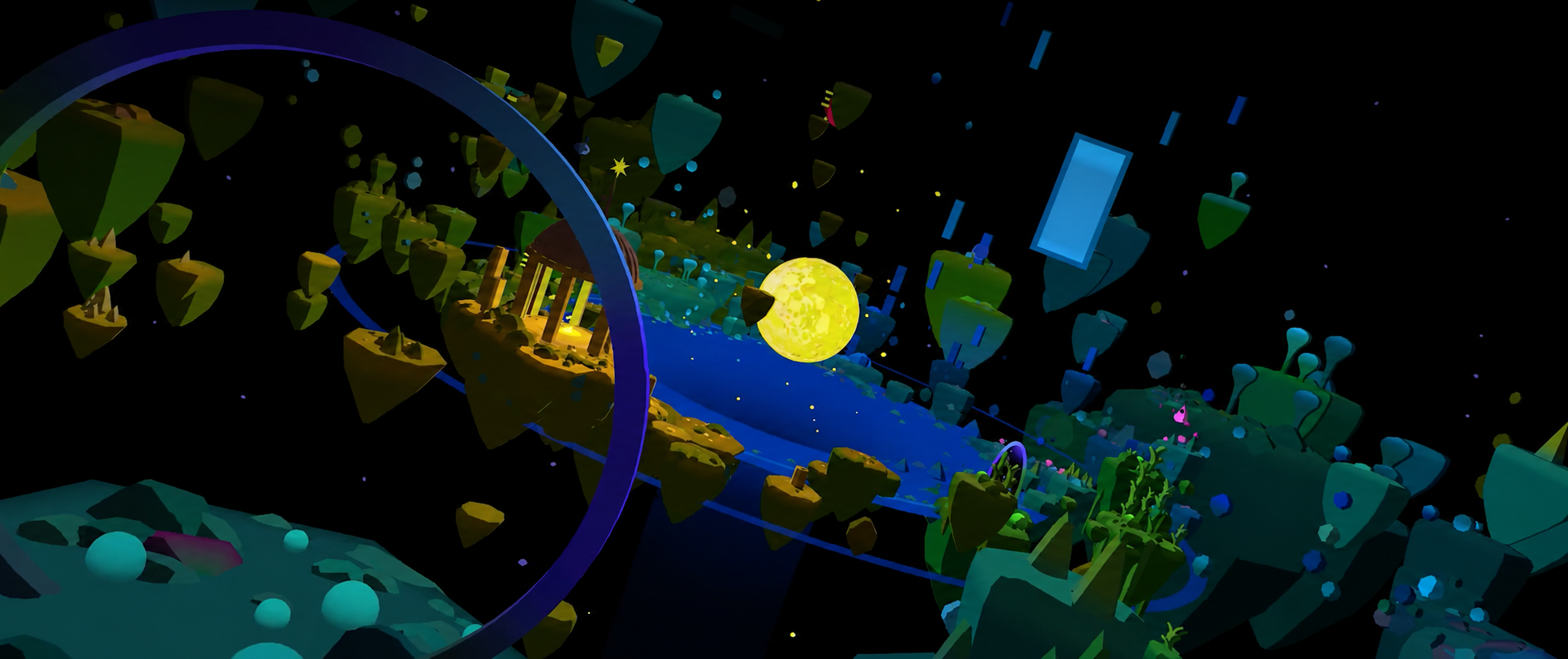
Simone “Funi” Fougnier, also known as Funilab, is an immersive director whose work brings sound, illustration, animation, and technology into a single creative space. As a co-founder of Studio Syro, he has helped pioneer a distinctive approach to virtual reality storytelling built around hand-painted imagery and carefully designed musical environments. Rather than treating VR as a technical spectacle, Fougnier uses it as an artistic medium capable of surrounding viewers with emotion, movement, and atmosphere. His acclaimed projects, including Tales from Soda Island and The Art of Change, demonstrate how painterly aesthetics can be transformed into living, explorable worlds. Through imaginative characters, expressive colors, spatial sound, and unconventional narratives, Fougnier creates experiences that feel closer to entering a dream than watching a conventional film. His work expands the possibilities of animation while preserving the warmth and individuality of the artist’s hand.
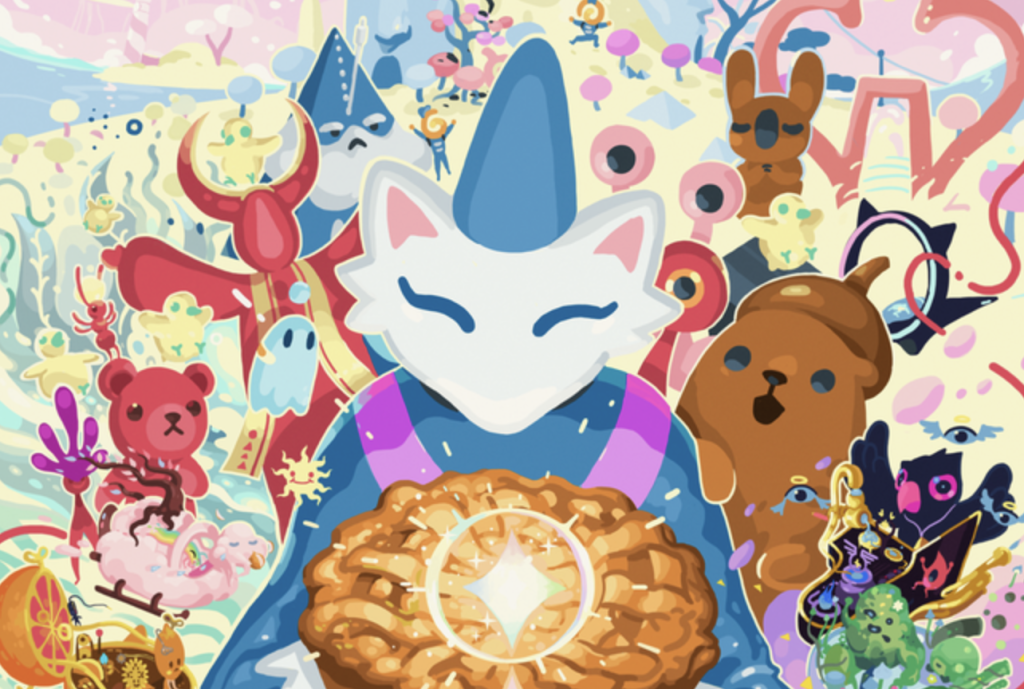
Tales from Soda Island
Tales from Soda Island transports viewers into an extraordinary musical ecosystem where every creature, landscape, and mysterious ritual appears to contribute to the rhythm of an interconnected world. The experience does not simply present a fictional location from a distance. It places the audience inside the environment, allowing its unusual sights and sounds to unfold in every direction.
Soda Island feels like a place governed by its own natural and musical laws. Strange beings move through richly imagined settings, while ancient traditions and cosmic events suggest a mythology much larger than any single episode. The island’s inhabitants may initially seem unfamiliar, but their movements and interactions gradually reveal a complex system of cooperation. Individual sounds become part of wider compositions, turning the environment itself into an enormous living instrument.
One of the project’s most remarkable qualities is its hand-painted visual language. The imagery has the freedom and expressiveness of illustration while possessing the depth and movement of an immersive animated world. Colors flow across the landscape, forms shift unexpectedly, and the boundaries between character, object, and environment are often fluid. This painterly quality prevents the virtual setting from feeling overly mechanical or polished. Instead, it maintains a sense of spontaneity, texture, and human imagination.
Music is equally important to the experience. It does more than accompany the animation; it helps organize the world and guide the viewer through it. Rhythms, voices, environmental sounds, and large-scale musical passages work together to create momentum. At certain moments, the viewer may feel like an observer discovering an unfamiliar culture. At others, the experience becomes more abstract, transforming sound and movement into an expansive visual symphony.
Through this combination, Tales from Soda Island becomes a celebration of interdependence. Its creatures, rituals, and cosmic forces appear different, yet they function together in harmony. The project suggests that a world can be understood not only through explanation, but also through rhythm, atmosphere, and participation.
The Art of Change
While Tales from Soda Island explores an imaginative musical universe, The Art of Change turns inward. The work follows a woman as she enters a conversation with versions of herself from the past, present, and future. Through voice recordings, music, and immersive animation, personal reflection is transformed into a journey across time and emotional memory.
The use of voice memos gives the project an intimate foundation. These fragments carry the immediacy of private thoughts rather than polished narration. They allow the central figure’s memories and emotions to feel close to the viewer, as though moments from her life have been preserved and reopened. The voices connect different stages of her identity, revealing how the person she was continues to speak to the person she has become.
Around this emotional dialogue, vivid environments emerge and evolve. Some spaces feel recognizable, perhaps connected to memory or everyday experience, while others become abstract expressions of uncertainty, growth, loss, or possibility. As the viewer moves through these shifting worlds, physical space becomes a representation of inner change.
Fougnier’s immersive direction makes transformation something that can be felt rather than merely described. Changes in scale, color, sound, and movement communicate the instability and beauty of personal development. The viewer is surrounded by the experience, creating a stronger sense of emotional presence than a traditional screen might allow.
Together, Tales from Soda Island and The Art of Change reveal Fougnier’s ability to move between the fantastical and the deeply personal. One project imagines an entire ecosystem united through music; the other examines the many selves contained within a single life. Both demonstrate his belief in immersive art as a meeting place for technology and human feeling. In Fougnier’s worlds, virtual reality is not an escape from experience, but a new way of entering it.
