



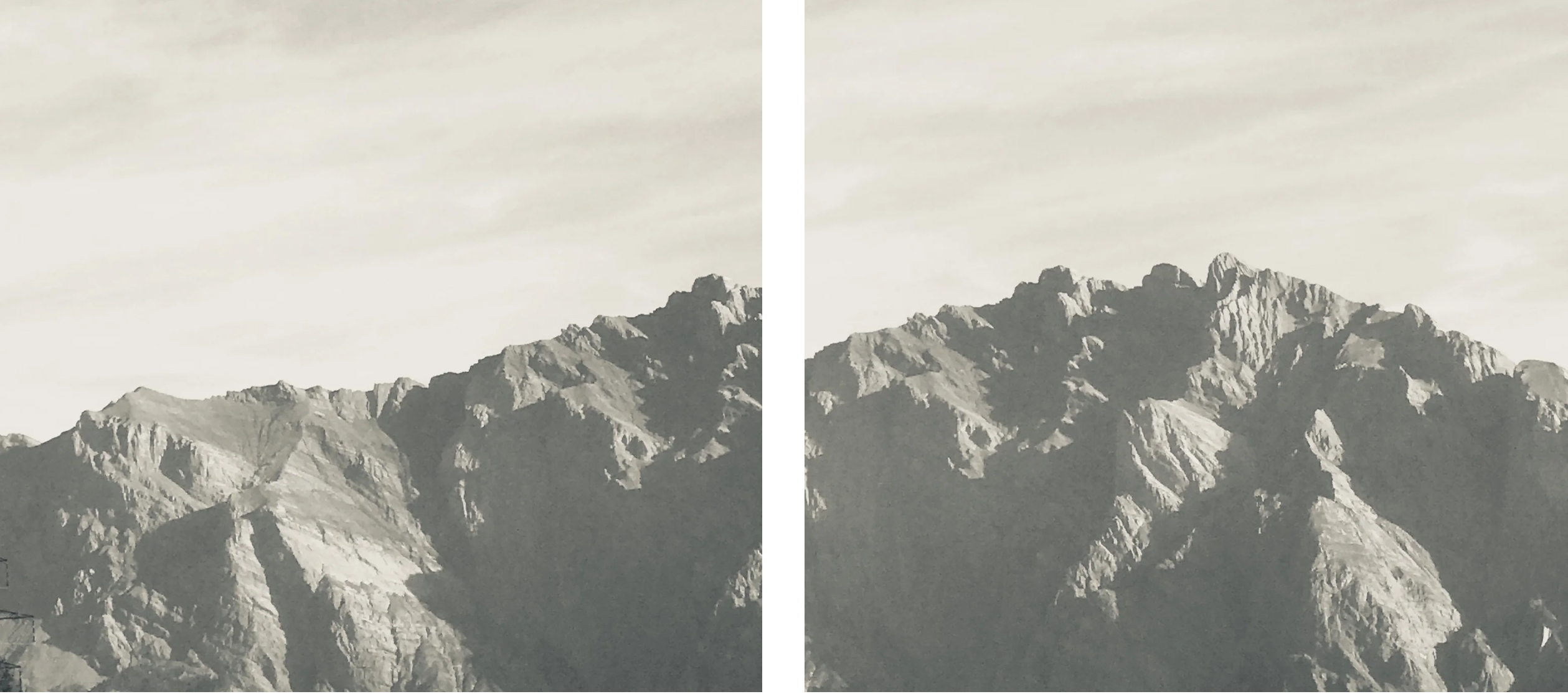
Born in 1986 and raised in the suburbs of Chicago, Elizabeth Durso has built a multidisciplinary career that bridges fine art, photography, design, and fashion. A graduate of the School of the Art Institute of Chicago, she has spent more than two decades cultivating a creative practice that extends across galleries, businesses, and boutiques around the world. Alongside her work as a visual artist, Durso leads artistic teams and works professionally as a photographer throughout the United States, the European Union, and Switzerland. This broad international experience has shaped an artistic perspective grounded in observation, atmosphere, and visual storytelling. Whether working through photography or other creative disciplines, Durso demonstrates an enduring fascination with the relationship between nature, light, and emotion. Her images invite viewers to slow down and contemplate landscapes not simply as physical locations but as spaces of reflection, memory, and quiet transformation, revealing beauty through subtle composition and an intuitive sensitivity to the natural world.
Silent Elevation: Elizabeth Durso’s Mountain Landscape
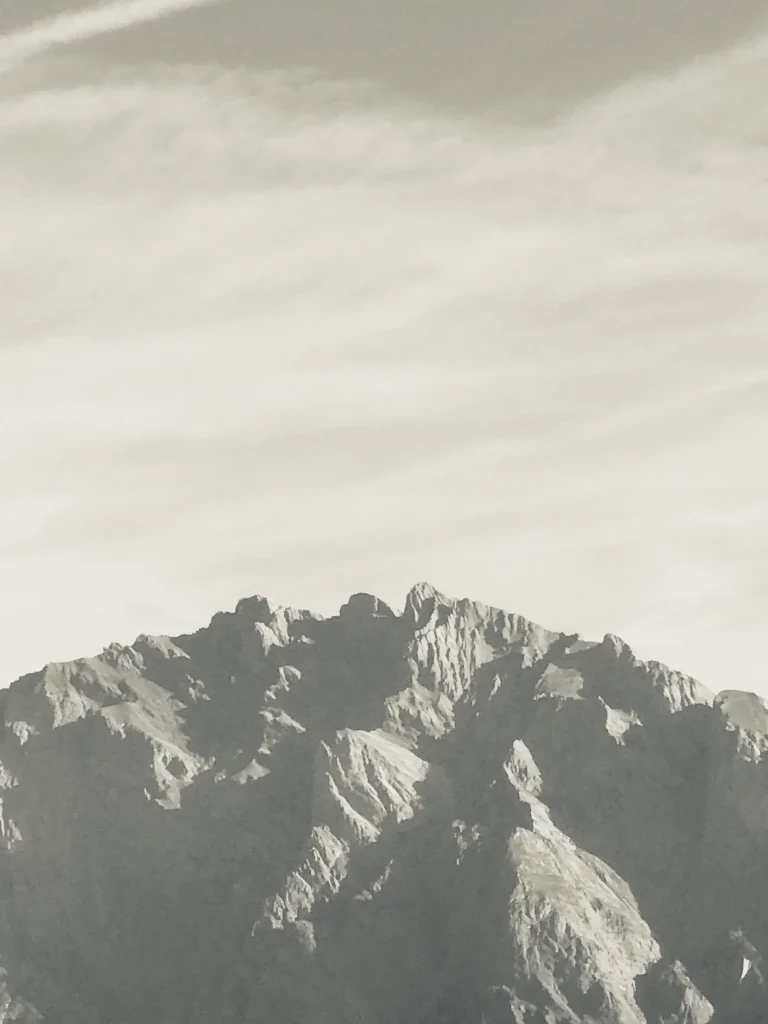
Elizabeth Durso’s mountain landscape presents nature in its most distilled and contemplative form. Rather than pursuing dramatic spectacle or overwhelming grandeur, the work embraces restraint, allowing atmosphere, texture, and composition to carry its emotional weight. The result is an image that feels timeless—one that exists somewhere between documentary observation and poetic meditation.
Dominating the composition is a rugged mountain range rendered in monochromatic tones. The absence of vibrant color immediately shifts attention toward structure and form. Jagged ridgelines, fractured rock faces, and sweeping slopes emerge through careful gradations of light and shadow, emphasizing the geological complexity of the landscape. Every contour appears sculpted by time itself, suggesting centuries of erosion, weather, and natural transformation. Instead of functioning merely as scenery, the mountains become symbols of permanence and endurance.
The monochrome palette plays a significant role in shaping the viewer’s emotional response. By removing the distractions of color, Durso encourages an appreciation of tonal variation and subtle detail. The grayscale treatment lends the image an archival quality, evoking the traditions of classic landscape photography while simultaneously giving the work a contemporary clarity. The photograph feels suspended outside ordinary time, inviting reflection rather than immediate interpretation.
Above the mountain peaks stretches a vast sky filled with soft, diffused clouds. Occupying nearly half of the composition, this expansive negative space creates a striking balance between earth and atmosphere. The clouds are understated rather than dramatic, gently textured instead of turbulent, reinforcing the image’s quiet emotional register. This openness allows the mountains to breathe within the frame while simultaneously emphasizing their isolation and scale.
Durso demonstrates remarkable compositional discipline. The horizon sits relatively low within the image, granting the sky a commanding presence while ensuring that the mountains remain the undeniable focal point. The eye naturally travels upward along the ridges toward the central peak before drifting into the open sky. This gradual visual movement mirrors the experience of standing before an actual mountain range, where observation unfolds slowly and continuously rather than all at once.
Texture serves as another defining characteristic of the work. The sharply defined rock formations contrast beautifully with the softness of the clouds overhead. This dialogue between solidity and transience creates a subtle philosophical tension. The mountains embody endurance and permanence, while the clouds represent movement, change, and the passage of time. Together they create a visual meditation on opposing forces that coexist harmoniously within the natural world.
Although devoid of human presence, the image remains deeply human in its emotional resonance. There are no roads, buildings, or signs of civilization to anchor the viewer within a specific location. Instead, the landscape exists as an open psychological space onto which viewers may project their own experiences and memories. This universality allows the photograph to transcend geography, speaking less about a particular mountain than about the timeless relationship between humanity and nature.
The photograph also reveals Durso’s background as a professional photographer. Technical precision is evident throughout the image, from the balanced exposure that preserves detail across highlights and shadows to the careful control of contrast that accentuates depth without sacrificing subtlety. Every element appears intentional, demonstrating a refined understanding of visual balance and photographic craftsmanship.
Perhaps most compelling is the work’s embrace of stillness. In an era dominated by rapid visual consumption and highly saturated imagery, Durso offers an alternative built upon patience and contemplation. The photograph asks viewers not merely to look but to remain with the image, discovering increasingly subtle relationships between light, texture, atmosphere, and form. Its emotional power emerges gradually through sustained observation rather than immediate impact.
Ultimately, Elizabeth Durso transforms a mountain landscape into something far greater than a record of place. Through careful composition, restrained tonal choices, and an acute sensitivity to atmosphere, she creates an image that speaks to resilience, solitude, and the enduring beauty of the natural world. The photograph reminds us that profound artistic expression often lies not in embellishment but in attentive observation, revealing that nature’s quietest moments can possess extraordinary emotional depth.
